
The Book: The Ultimate Guide to Rebuilding Civilization ─ A Comprehensive Plan
A comprehensive 400-page guide, born from a successful Kickstarter and Amazon bestseller, offers practical knowledge for societal reconstruction post-collapse.
This ambitious work taps into a growing fascination with post-apocalyptic scenarios and the practicalities of starting anew. It isn’t simply a dystopian fantasy exploration; rather, it’s a meticulously researched manual for rebuilding society from the ground up.
The book’s appeal lies in its pragmatic approach, offering detailed instructions and knowledge spanning numerous disciplines. It resonates with those intrigued by self-sufficiency, preparedness, and the enduring human spirit’s capacity to overcome adversity, presenting a hopeful, yet realistic, vision for the future.
The Authors and Hungry Planet
“The Book” originates from the creative studio and publishing house, Hungry Planet. This entity gained prominence following the remarkable success of the project on Kickstarter and its subsequent rise as an Amazon bestseller.
While specific authorial details aren’t readily available in this context, Hungry Planet’s involvement signifies a commitment to producing high-quality, visually engaging, and informative content. Their focus appears to be on practical guides addressing complex challenges, evidenced by the book’s comprehensive nature and broad scope.
The Book’s Core Philosophy: Practicality and Knowledge Preservation
The central tenet of “The Book” revolves around providing genuinely useful, actionable knowledge for rebuilding society. It isn’t a speculative fiction piece, but a pragmatic manual.
A key focus is the preservation of essential skills and information – recognizing that losing accumulated knowledge would severely hinder recovery. The book aims to be a repository of vital techniques, spanning agriculture to engineering, ensuring future generations aren’t starting from scratch. It’s a guide to tangible rebuilding.

Section 1: Foundational Knowledge – The First 100 Years
This section details the crucial skills needed for initial survival and establishing a stable base: agriculture, medicine, and essential engineering techniques.
Agriculture and Food Production
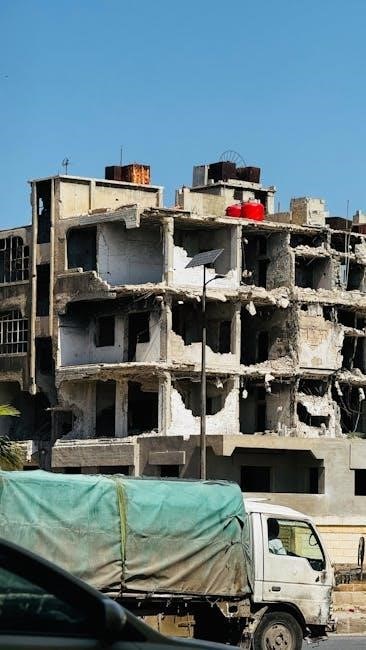
Establishing a sustainable food supply is paramount in the aftermath of collapse. This section focuses on regaining self-sufficiency through practical agricultural knowledge. It emphasizes the vital importance of seed saving to maintain genetic diversity, safeguarding against crop failure and ensuring long-term resilience. Furthermore, the guide details sustainable farming techniques, moving beyond industrial methods to embrace practices that nurture the land and promote ecological balance for future generations. Prioritizing local food production is key.
Seed Saving and Genetic Diversity
Preserving seed varieties is crucial for long-term food security. The guide details methods for collecting, drying, and storing seeds from successful crops, ensuring future planting stock. Maintaining genetic diversity is emphasized, as monoculture farming leaves populations vulnerable to disease and climate change. Readers learn to identify heirloom varieties and understand the principles of cross-pollination, fostering resilient and adaptable food systems. This knowledge empowers communities to control their food source independently.
Sustainable Farming Techniques
The book champions farming methods that prioritize long-term soil health and ecological balance. Techniques like crop rotation, companion planting, and composting are thoroughly explained, minimizing reliance on external inputs. Permaculture principles are introduced, designing agricultural systems that mimic natural ecosystems. Emphasis is placed on water conservation through techniques like swales and rainwater harvesting. These practices ensure food production remains viable for generations, avoiding the pitfalls of unsustainable industrial agriculture.
Basic Medicine and Healthcare

Recognizing limited access to modern medicine post-collapse, the book prioritizes foundational healthcare knowledge. It details identifying and utilizing herbal remedies and traditional medicinal practices, alongside crucial sanitation protocols. Disease prevention through clean water sources and waste management is heavily emphasized. The guide covers basic wound care, fracture setting, and childbirth assistance, empowering communities to address common health issues independently, fostering resilience and self-sufficiency in a challenging environment.
Herbal Remedies and Traditional Medicine
The book champions a return to time-tested healing methods, detailing the identification and application of medicinal plants. It provides guidance on cultivating essential herbs for common ailments, emphasizing sustainable harvesting practices. Traditional medicine techniques, passed down through generations, are presented as vital alternatives when conventional pharmaceuticals are unavailable. This section stresses accurate plant identification to avoid toxicity, promoting safe and effective natural healthcare solutions for a rebuilding society.
Sanitation and Disease Prevention
Recognizing the swift spread of illness post-collapse, the book prioritizes basic sanitation as a cornerstone of public health. It details constructing latrines, managing waste effectively, and purifying water sources using simple methods. Disease prevention strategies, including quarantine protocols and hygiene education, are thoroughly explained. Emphasis is placed on understanding disease vectors and implementing preventative measures to minimize outbreaks, safeguarding the health of the nascent civilization.
Essential Engineering and Construction
This section focuses on practical building techniques utilizing locally sourced materials, crucial for establishing shelter and infrastructure. The book details methods for creating durable structures without modern tools, covering foundations, walls, and roofing. Essential engineering principles are simplified for accessibility, enabling communities to build essential facilities like water systems and storage. Construction knowledge emphasizes resourcefulness and long-term stability, vital for a rebuilding society.
Building Materials and Techniques
The guide prioritizes readily available, sustainable materials like wood, stone, and earth for construction. It details techniques such as wattle and daub, cob building, and timber framing, emphasizing simplicity and durability. Building methods are presented with clear illustrations, focusing on creating weatherproof and structurally sound shelters. Materials are assessed for longevity and insulation properties, ensuring comfortable and resilient living spaces for the newly forming civilization.
Water Management and Irrigation
Securing a clean water supply is paramount; the book details methods for locating, purifying, and storing water resources. Techniques like rainwater harvesting, well construction, and spring development are thoroughly explained. Irrigation strategies, including gravity-fed systems and simple canal construction, are presented to maximize agricultural yields. Management focuses on conservation, preventing contamination, and ensuring equitable access for the entire community, vital for long-term sustainability.

Section 2: Re-establishing Society – Governance and Community
This section explores post-collapse societal structures, focusing on governance models, education, and community building for a resilient future.
Forms of Governance Post-Collapse
The book delves into the complexities of establishing governance after a societal breakdown, carefully weighing the advantages and disadvantages of different systems. It contrasts the responsiveness of direct democracy – where citizens directly participate in decision-making – with the efficiency of representative systems, acknowledging the challenges of scale and potential for corruption in both;
Crucially, it emphasizes the need for establishing clear laws and justice systems rooted in fairness and practicality, recognizing that a functioning society requires mechanisms for resolving disputes and maintaining order. The guide doesn’t advocate for a single solution, but rather provides a framework for communities to determine the best approach based on their specific needs and circumstances.
Direct Democracy vs. Representative Systems
The book meticulously examines the trade-offs between direct and representative governance models in a post-collapse scenario. Direct democracy, while empowering, faces logistical hurdles with larger populations, potentially leading to decision fatigue and inefficiency. Conversely, representative systems, though scalable, risk detachment from the populace and susceptibility to corruption.
“The Book” stresses that neither system is universally superior; the optimal choice hinges on community size, resource availability, and cultural values. It advocates for hybrid approaches, incorporating elements of both to maximize participation while maintaining effective governance.

Establishing Laws and Justice Systems
“The Book” emphasizes the critical need for a swift, yet carefully considered, establishment of laws and justice systems following a societal collapse. It cautions against simply reinstating pre-collapse legal frameworks, advocating instead for principles rooted in fairness, necessity, and community well-being.
The guide proposes a tiered system, starting with basic rules for survival and escalating to more complex regulations as stability returns. Restorative justice, focusing on rehabilitation and community repair, is presented as a preferable alternative to purely punitive measures.
Education and Knowledge Transfer
“The Book” stresses that education is paramount for a successful rebuild, advocating for a curriculum focused on practical skills – agriculture, medicine, engineering – alongside core academic subjects. Prioritizing knowledge transfer between generations is crucial, preventing vital information from being lost.
The guide highlights the importance of preserving and replicating books and information, suggesting establishing local libraries and archives as cornerstones of the new civilization. Oral traditions and apprenticeship programs are also championed as effective learning methods.
Curriculum Development for a New Civilization
“The Book” proposes a tiered curriculum, beginning with foundational literacy and numeracy, swiftly progressing to essential survival skills. Practical knowledge – farming, construction, basic medicine – takes precedence, ensuring immediate societal functionality.
The guide advocates integrating historical understanding, not to replicate past mistakes, but to learn from them. Emphasis is placed on critical thinking, problem-solving, and adaptability, preparing individuals for unforeseen challenges in rebuilding a sustainable future.
Preserving and Replicating Books and Information
“The Book” stresses the critical importance of safeguarding existing knowledge. Prioritizing the preservation of books, manuals, and digital data is paramount, alongside developing methods for replication in a low-tech environment.
The guide suggests establishing dedicated archives and libraries, utilizing durable materials and simple copying techniques. Training individuals in bookbinding, calligraphy, and data storage ensures knowledge isn’t lost to time, forming the bedrock of a re-emerging intellectual culture.
Community Building and Social Structures
“The Book” emphasizes that rebuilding isn’t solely about technical skills, but fostering strong social bonds. It highlights the vital role of cooperation and mutual aid in overcoming challenges and establishing resilient communities.
The guide acknowledges the inevitable trauma following a collapse, advocating for addressing mental health needs and creating supportive structures. Prioritizing inclusivity and shared responsibility will be crucial for long-term societal stability and collective well-being.
The Importance of Cooperation and Mutual Aid
“The Book” posits that individual survival alone is insufficient; collective effort is paramount. It stresses that successful rebuilding hinges on establishing systems of mutual aid – neighbors helping neighbors – to share resources and skills.
The guide advocates for decentralized networks of support, fostering a sense of shared responsibility and diminishing reliance on potentially unstable centralized authorities. Cooperation isn’t merely beneficial, it’s presented as fundamentally necessary for long-term survival and societal recovery.
Addressing Trauma and Mental Health
“The Book” acknowledges the pervasive psychological impact of a civilizational collapse. It emphasizes that widespread trauma will inevitably follow such an event, hindering rebuilding efforts if left unaddressed.
The guide advocates for community-based support systems, recognizing the limitations of formal mental healthcare in a post-collapse scenario. Prioritizing emotional wellbeing, fostering resilience, and creating safe spaces for processing grief are presented as crucial components of societal recovery and long-term stability.

Section 3: Technological Revival – Reintroducing Complexity
This section details a phased approach to re-establishing technology, beginning with basic metalworking and tool production for essential needs and progress.
Basic Metalworking and Tool Production
Reclaiming the ability to work with metal is paramount for rebuilding. The book meticulously outlines smelting and forging techniques, focusing on readily available resources. It doesn’t assume prior knowledge, starting with fundamental principles.
Crucially, it details creating essential tools – axes, knives, and farming implements – and simple machinery. This isn’t about recreating modern industry immediately, but establishing a foundation for practical, sustainable production, enabling self-sufficiency and further technological advancement.
Smelting and Forging Techniques
The book provides detailed, illustrated instructions for building basic smelting furnaces, utilizing readily available materials like clay and stone. It covers extracting metals from ores – iron, copper, and tin – emphasizing fuel efficiency and safety.
Forging techniques are explained step-by-step, from heating and hammering to shaping and hardening. The focus is on creating durable, functional tools, even with limited resources, empowering communities to become self-reliant in essential metal production.

Creating Essential Tools and Machinery
Following successful metal extraction, the guide details crafting vital tools: axes, knives, hammers, and saws – prioritizing simplicity and durability. It moves beyond hand tools, illustrating the construction of basic machinery like water wheels and simple pumps.
The book emphasizes adapting designs to available materials and skill levels, fostering ingenuity. Diagrams and clear instructions empower readers to replicate these essential technologies, forming the bedrock of a rebuilt infrastructure.
Energy Production and Management
The book prioritizes readily available, renewable energy sources for a post-collapse world. Detailed sections cover constructing windmills for power generation, harnessing hydroelectricity from streams, and building simple solar collectors for heating and drying.
Crucially, it addresses fuel production – wood gasification and biogas digesters – alongside conservation techniques; Efficient energy use is paramount, emphasizing insulation and minimizing waste to ensure long-term sustainability and resourcefulness.
Renewable Energy Sources (Wind, Water, Solar)
This section details practical construction of low-tech energy systems. Instructions cover building vertical-axis windmills from readily available materials, creating water wheels for small-scale power, and constructing basic solar ovens and water heaters.
The guide emphasizes adapting designs to local resources and skill levels, promoting self-sufficiency. Diagrams and clear explanations make these technologies accessible even without prior engineering experience, fostering energy independence.
Fuel Production and Conservation
Beyond renewables, the book addresses essential fuel needs for tasks where electricity isn’t feasible. It details methods for producing charcoal efficiently, creating biogas digesters from simple materials, and refining plant oils for use in lamps and basic engines.
Crucially, it stresses conservation techniques – efficient wood burning stoves, minimizing transport, and prioritizing fuel use for critical applications, ensuring long-term resource availability.
Communication and Information Networks
Re-establishing communication is vital, starting with low-tech solutions detailed within the guide. This includes building simple signaling systems – flags, mirrors, and drums – for local alerts. The book emphasizes the importance of runners for message delivery over short distances.
Long-term, it advocates for rebuilding basic radio technology and, crucially, the role of libraries and archives in preserving vital knowledge.
Re-establishing Basic Communication Systems
The guide prioritizes readily achievable communication methods following a collapse. It details constructing simple signaling devices like heliographs utilizing mirrors and establishing visual signal codes. Furthermore, the book stresses the value of messenger systems, relying on trained individuals for reliable, albeit slower, information transfer.
These initial steps lay the groundwork for eventual technological revival.
The Role of Libraries and Archives
Recognizing knowledge as paramount, the book emphasizes the crucial role of preserving existing information. Establishing secure, decentralized libraries and archives is a core tenet. Prioritization is given to safeguarding books and vital data, even in rudimentary conditions.
The guide advocates for replication efforts, ensuring knowledge isn’t lost to damage or destruction, forming the bedrock of future learning.

Section 4: Long-Term Sustainability and Future Planning
This section details strategies for enduring resource management, scientific advancement, and community security, ensuring a resilient future for the rebuilt civilization.
Resource Management and Conservation
Effective long-term survival hinges on responsible stewardship of Earth’s resources. The guide emphasizes sustainable forestry, avoiding depletion, and implementing careful mining practices to minimize environmental impact. Crucially, it details robust waste management systems, prioritizing recycling and reducing reliance on finite materials.

These practices aren’t merely about preservation; they’re about establishing a circular economy, ensuring future generations have access to the necessities for thriving, not just surviving.
Sustainable Forestry and Mining Practices
The book advocates for a shift from exploitative extraction to long-term resource health. Sustainable forestry involves selective logging, reforestation efforts utilizing native species, and preventing deforestation. Mining practices must prioritize minimal disturbance, reclamation of land, and reducing toxic runoff.
These aren’t simply ecological concerns; they directly impact the availability of building materials, fuel sources, and essential minerals for rebuilding a functioning society.
Waste Management and Recycling
Effective waste management is crucial, moving beyond simple disposal to resource recovery. The book stresses establishing systems for sorting, composting organic waste, and rigorously recycling materials like metals, glass, and plastics. Reducing consumption and designing for durability are also key principles.
This minimizes pollution, conserves valuable resources, and prevents the spread of disease – vital for a fledgling civilization’s health and stability.
Scientific Research and Innovation
Rebuilding demands a renewed focus on practical scientific inquiry. The book advocates prioritizing research areas directly supporting survival and advancement – agriculture, medicine, and materials science. Establishing basic research institutions, even rudimentary ones, is paramount.
Emphasis is placed on observation, experimentation, and the meticulous documentation of findings to rebuild a knowledge base lost during the collapse.
Prioritizing Research Areas for Rebuilding
Initial research must center on immediate needs: food security and health. Improving crop yields, developing disease resistance, and understanding local ecosystems are crucial. Simultaneously, research into basic material science – refining existing materials and discovering new ones – is vital for construction and toolmaking.
Long-term sustainability demands investigation into renewable energy sources and efficient resource management techniques.
Establishing Research Institutions
Early institutions should be decentralized and adaptable, utilizing existing structures where possible. Prioritize practical skills transfer alongside theoretical knowledge. Libraries and archives, safeguarding preserved information, become foundational research hubs.
Collaboration is key; encourage knowledge sharing between communities. Focus on replicating essential technologies and fostering a culture of continuous learning and innovation, building upon salvaged knowledge.
Defense and Security
Initial security relies on community-based defense strategies, emphasizing local resourcefulness and preparedness. Establishing clear boundaries and fostering mutual aid networks are crucial deterrents. Prioritize de-escalation and conflict resolution through diplomacy whenever possible.
Long-term security necessitates a balanced approach, combining defensive capabilities with robust communication and early warning systems. Avoid replicating pre-collapse power structures that fueled conflict.
Community Defense Strategies
The book advocates for decentralized, community-led defense, prioritizing local knowledge and readily available resources. This includes establishing watch systems, securing vital infrastructure like food stores and water sources, and training citizens in basic self-defense.
Emphasis is placed on defensive perimeters and early warning systems, rather than aggressive posturing. Building strong relationships with neighboring communities fosters mutual support and reduces the likelihood of conflict, promoting regional stability.
Conflict Resolution and Diplomacy
Recognizing conflict as inevitable, the guide stresses proactive diplomacy and mediation as primary defense mechanisms. Establishing clear communication channels with surrounding settlements is crucial for addressing grievances before they escalate.
The book champions a system of restorative justice, focusing on repairing harm and reintegrating offenders rather than purely punitive measures. Skilled negotiators, trained in de-escalation techniques, become vital assets for maintaining peaceful relations and fostering long-term cooperation.