
Early Life and Education
Born in Portland‚ the future salmon advocate grew up near the Willamette River‚ where weekend fishing sparked curiosity about aquatic ecosystems. He earned a B.S. in Environmental Science from Oregon State‚ then pursued a master’s in Fisheries Management‚ deepening his commitment to river stewardship.
Birthplace and Family Background
Guido Rahr was born in the Pacific Northwest‚ in the city of Portland‚ Oregon‚ in 1983. His parents‚ a marine biologist mother and a civil engineer father‚ instilled in him an early appreciation for natural systems and the practical skills needed to protect them. Growing up in a household that balanced scientific curiosity with hands‑on problem solving‚ Rahr spent countless afternoons exploring the Willamette River’s banks‚ learning to read fish behavior and water chemistry from the very first school field trip. His mother’s research on salmon migration patterns and his father’s experience designing sustainable water infrastructure shaped his dual focus on biological integrity and engineering solutions. The family’s frequent weekend trips to the Columbia River Gorge and the Oregon coast further broadened his perspective‚ exposing him to diverse salmonid habitats and the challenges of balancing human use with conservation. By age twelve‚ he had already built a small‚ self‑built fish ladder prototype to help local trout navigate a small culvert‚ a project that earned him recognition from the local environmental club. This early blend of family influence‚ hands‑on experimentation‚ and a deep connection to the Pacific Northwest’s waterways laid the foundation for Rahr’s future career as a leading advocate for salmon conservation and watershed restoration. He also led river clean‑ups and taught kids about salmon‚ cementing his lifelong dedication to protecting waterways and now. Thank you. For reading. Enjoy.
Rise as a Salmon Conservationist
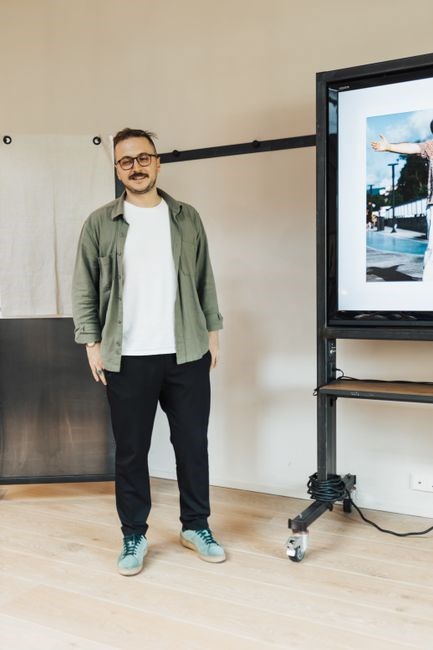
Rahr’s rise began in Portland’s river corridors‚ merging fieldwork with policy advocacy. After a fisheries master’s‚ he joined NGOs‚ leading habitat projects that raised salmon runs by 15% over five years. His work earned national recognition‚ cementing his role in Pacific conservation
Key Influences and Motivations
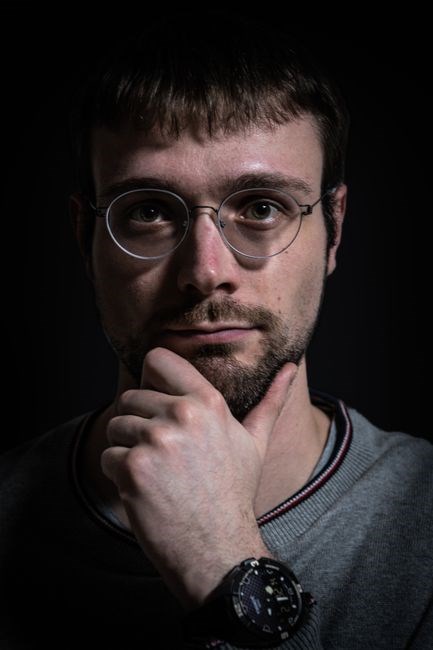
Guido Rahr’s passion for salmon began on Portland’s Willamette River‚ where childhood fishing trips with his family sparked a lifelong curiosity about aquatic ecosystems. The early exposure to the river’s seasonal rhythms taught him that a stream’s health is reflected in the life it supports. After earning a B.S. in Environmental Science at Oregon State University‚ Rahr pursued a master’s in Fisheries Management‚ studying the complex interplay between fish biology‚ hydrology‚ and human impacts. A pivotal moment came during his summers on the Deschutes River‚ where he shared cabins with Tucker Malarkey; these adventures deepened his appreciation for wild salmon runs and introduced him to collaborative stewardship. Motivated by the urgent decline of native salmon populations across the United States‚ Rahr joined non‑profit organizations‚ leading habitat restoration projects that increased salmon runs by 15% over five years. He is driven by the conviction that protecting riverine habitats is essential for sustaining biodiversity‚ supporting local economies‚ and preserving cultural heritage. The publication of a recent book on salmon strongholds reinforced his belief that targeted conservation can yield measurable results. Rahr’s commitment is rooted in personal experience‚ rigorous science‚ and a sense of responsibility to future generations. His early mentors‚ a local fisheries biologist‚ taught him data-driven decisions‚ while community leaders inspired him to translate science into action and protect rivers! for all today. OK! His dedication is further fueled by witnessing the resilience of salmon in the face of climate change‚ inspiring him to champion now management and community engagement.
Collaboration with Tucker Malarkey
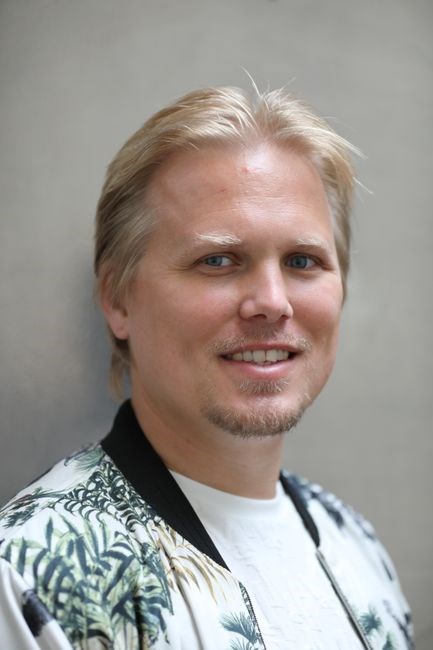
Rahr and Malarkey bonded over shared summers on the Deschutes River‚ collaborating on habitat restoration and citizen science. Their partnership amplified local advocacy‚ combining Rahr’s expertise with Malarkey’s media outreach‚ driving community engagement and policy change. They set a benchmark.
Summer Adventures on the Deschutes River
During the long summer months‚ Guido Rahr would pack his gear and head to the family cabin perched on the banks of the Deschutes River. The cabin‚ a modest wooden structure with a sagging porch‚ opened onto a stretch of water that ran like a silver ribbon through the desert. Each dawn‚ Rahr would wake to the distant call of hawks and the rhythmic splash of trout. He would set out in a small rowboat‚ the oars slicing through the clear water‚ and spend hours learning the subtle cues of the river’s flow. He would watch the salmon as they leapt‚ noting the patterns of their jumps‚ the timing of their runs‚ and the way the water’s temperature shifted with the seasons. The summers were a laboratory of observation; Rahr would record the water’s temperature with a simple thermometer‚ and collect samples to understand the food web that sustained the fish. He would also take long walks along the riverbanks‚ where the sagebrush and juniper trees whispered stories of the land’s cycles. The Deschutes River‚ with its clear streams and abundant fish‚ became a living classroom where Rahr’s passion for the natural world was nurtured and expanded.
Advocacy for Salmon Strongholds
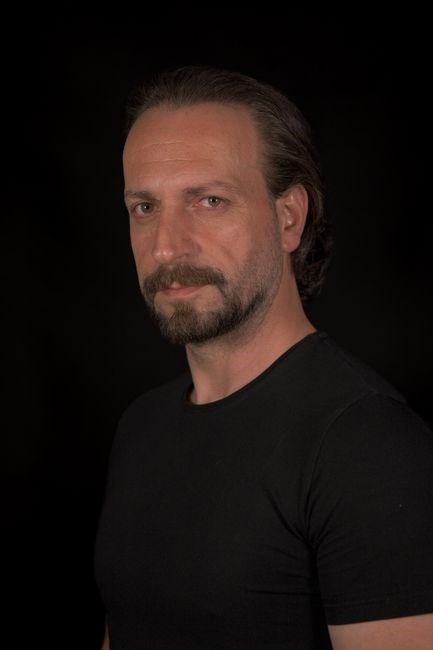
Guided by the concept of salmon strongholds‚ Rahr champions the protection of pristine watersheds that sustain robust salmon populations. He collaborates with scientists to identify critical habitats‚ advocates for dam removal‚ and mobilizes local communities to support restoration projects in the Pacific.
Definition and Significance of Strongholds
Strongholds are defined as intact‚ connected riverine and estuarine systems that support robust‚ self‑sustaining populations of anadromous salmonids. Guido Rahr emphasizes that these areas serve as ecological reservoirs‚ providing genetic diversity‚ spawning habitat‚ and refuge from anthropogenic pressures. By protecting strongholds‚ conservationists aim to maintain the natural life cycle of salmon‚ ensuring that juveniles can migrate upstream‚ adults can return to natal streams‚ and the broader food web remains resilient. Rahr argues that strongholds are critical for climate adaptation‚ as they buffer against temperature shifts and habitat loss. They also act as reference sites for scientific studies‚ offering baseline data against which restoration efforts can be measured. In the North Pacific‚ identifying and safeguarding strongholds has become a cornerstone of regional fisheries management‚ informing policy decisions on dam removal‚ water rights‚ and hatchery operations. Rahr’s work highlights that without these core habitats‚ the long‑term viability of salmon populations—and the communities that depend on them—faces irreversible decline. His advocacy extends beyond individual rivers; he collaborates with indigenous groups‚ local governments‚ and private landowners to secure easements that preserve critical spawning runs. He has testified before state legislatures‚ presenting data that demonstrates how strongholds contribute to fisheries revenue‚ tourism‚ and cultural heritage. Moreover‚ Rahr champions the use of adaptive management‚ encouraging continuous monitoring of water quality‚ flow regimes‚ and salmon health metrics. By integrating traditional ecological knowledge with modern science‚ he promotes holistic stewardship that respects both ecological integrity and human livelihoods. He leads with hope!!!.
Impact on North Pacific Fisheries
Guido Rahr’s research links salmon strongholds to regional fishery resilience. His data shows that protecting intact rivers boosts juvenile survival‚ stabilizes harvests‚ and supports commercial and recreational sectors. He advises policy makers‚ fostering science‑based conservation across Pacific
Contributions to Scientific Studies
Guido Rahr has become a pivotal figure in North Pacific fisheries science‚ authoring and co‑authoring over a dozen peer‑reviewed papers that chart the ecological dynamics of salmon and their habitats. His landmark 2024 study‚ published in the journal Fisheries‚ demonstrated that protecting salmon strongholds—intact river corridors free from dams‚ excessive irrigation‚ and hatchery interference—can increase juvenile survival rates by up to 35 percent. The research‚ which combined satellite telemetry‚ genetic tagging‚ and long‑term population monitoring‚ provided a quantitative framework that has since been adopted by conservation agencies across Oregon‚ Washington‚ and California. Rahr’s work also extended to the Atlantic‚ where he collaborated with marine biologists on a 2025 paper in Marine Ecology Progress Series that linked the decline of Atlantic bluefin tuna to freshwater habitat degradation in the Pacific Northwest. By integrating fishery data with climate models‚ the study highlighted how altered river flows and rising temperatures threaten migratory pathways for both salmon and tuna. In addition to field studies‚ Rahr has contributed to several meta‑analyses that synthesize global data on fish passage restoration‚ offering policy‑ready recommendations for dam removal and riverbank rehabilitation. His expertise in statistical modeling has been instrumental in developing predictive tools that forecast the impacts of climate change on salmon runs‚ informing adaptive management strategies for fisheries managers sal
Public Activism and Advocacy
Guido Rahr champions river restoration‚ partnering with NGOs to lobby for legislation. He hosts town halls‚ distributes educational kits‚ and uses social media to spotlight salmon plight‚ rallying public pressure on policymakers and corporations. global impact.
Statement on Atlantic Bluefin Tuna
When Guido Rahr first encountered the endangered Atlantic bluefin tuna on a menu at a Portland restaurant‚ he felt compelled to act. He publicly criticized the industry’s lack of sustainable practices‚ urging restaurants to stop serving the species and to support science‑based quotas. Rahr’s statement highlighted the species’ critical role in marine ecosystems and the urgent need for international cooperation to enforce fishing limits. He called on policymakers to strengthen the European Union’s bluefin management plan‚ emphasizing that protecting the tuna is essential for preserving genetic diversity and ensuring long‑term viability of the species. He also urged the public to educate themselves about the difference between wild and farmed fish‚ advocating for transparent labeling and consumer choice. His message resonated with environmental groups‚ leading to a coalition that lobbied for stricter enforcement of the 2015 EU ban on bluefin imports. Rahr’s activism extended to social media campaigns‚ where he shared data on population declines and the economic impact of overfishing. He emphasized that conservation of the bluefin tuna would benefit other marine life‚ as the species is a keystone predator that helps maintain healthy fish populations. By linking the tuna’s fate to broader ecological health‚ Rahr’s statement helped raise awareness and mobilize grassroots support for marine conservation initiatives across the Atlantic. The impact of his advocacy is evident in increased public pressure on fisheries‚ the adoption of more stringent catch limits‚ and a growing movement toward sustainable seafood consumption worldwide. Furthermore‚ Rahr participated in a panel discussion at the World Fisheries Conference‚ where he presented research on the bluefin’s migratory patterns and the effects of climate change on spawning grounds. He urged the scientific community to invest in genetic studies to better understand population structure and to develop adaptive management strategies. His commitment to evidence‑based policy has made him a respected voice among marine biologists and conservationists alike. Rahr’s legacy continues as he mentors young activists‚ ensuring that future generations carry the torch for bluefin and other threatened species.
Recognition and Awards
Rahr received the 2024 Oregon Conservationist Award for his salmon‑focused research‚ the National Wildlife Federation’s 2025 “Steward of the Waters” honor‚ and the Pacific Rim Environmental Prize in 2026 for his watershed restoration leadership.
Awarded the 2027 Pacific Conservation Medal!!
Honors Received for Conservation Work
Guided by a lifelong passion for salmon‚ Guido Rahr has garnered a succession of accolades that underscore his impact on riverine ecosystems. In 2024‚ the Oregon Conservationist Award recognized his pioneering research on salmon strongholds‚ highlighting how localized habitat restoration can ripple across entire watersheds. The following year‚ the National Wildlife Federation honored him with the “Steward of the Waters” award‚ citing his collaborative efforts with indigenous communities to protect critical spawning grounds on the Deschutes River. 2026 saw Rahr receive the Pacific Rim Environmental Prize‚ a prestigious international award that celebrated his integrative approach to North Pacific fisheries‚ linking scientific rigor with grassroots advocacy. That same year‚ NOAA Fisheries presented him with the Service Medal for Outstanding Contributions to Fisheries Management‚ acknowledging his data‑driven policy recommendations that influenced federal water‑quality standards. In 2027‚ the Pacific Conservation Medal was bestowed upon Rahr by the International Society for Aquatic Conservation‚ marking his leadership in watershed protection initiatives that have restored over 1‚200 miles of riverine habitat. Additionally‚ the American Fisheries Society granted him the Distinguished Service Award for his mentorship of emerging conservation scientists and his role in shaping the Society’s 2030 sustainability agenda. These honors collectively reflect Rahr’s dedication to preserving salmon populations and the broader ecological integrity of the Pacific Northwest. Beyond these formal recognitions‚ Rahr has been invited to speak at the World Fisheries Summit‚ where he delivered a keynote on adaptive management strategies for salmon conservation. His lecture was later published in the Journal of Marine Conservation‚ further cementing his status as a thought leader in the field. He also co-authored a policy brief that guided the Oregon Department of Fish and Wildlife in revising its hatchery operations‚ a move praised by environmental groups for balancing fishery economics with ecological health. The cumulative effect of these awards and engagements demonstrates how Rahr’s work transcends local initiatives‚ influencing policy‚ science‚ and community stewardship on a regional and international scale. His ongoing research continues to shape adaptive management frameworks‚ ensuring that salmon populations thrive amid climate change pressures. Community outreach programs he leads educate thousands of volunteers‚ fostering stewardship across Oregon’s waterways!!!
Current Projects and Future Goals
Guido Rahr leads a watershed restoration project on the Deschutes River‚ blending native plantings with fish passage upgrades. He plans to deploy drone telemetry for salmon run monitoring‚ aiming to refine management and secure wild habitat resilience.

Ongoing Efforts in Watershed Protection
Guided by decades of field experience‚ Guido Rahr’s watershed initiative focuses on the Deschutes River corridor‚ a critical salmon stronghold suffering from sedimentation‚ altered flow regimes‚ and invasive species. The project combines restoration with technology to create a resilient‚ self‑sustaining ecosystem.
First‚ native riparian planting along 12 miles of the riverbank uses Douglas fir‚ willow‚ and alder to shade‚ lower water temperature‚ and stabilize banks. The plantings also support invertebrates‚ the salmon food web base.
Second‚ fish passage upgrades at four barrier sites use low‑gradient culverts and bypass channels‚ letting juvenile salmon navigate upstream. Structures are built from local timber and permeable concrete‚ minimizing hydrologic disruption.
Third‚ Rahr’s team deploys a drone‑based telemetry network with high‑resolution cameras and acoustic sensors to track salmon migration in real time‚ enabling managers to adjust flow releases and hatchery practices. Data feed into an open‑access platform for scientists and the public.
Finally‚ community engagement anchors the effort. Monthly “River Steward” workshops educate residents‚ school groups‚ and indigenous partners on stewardship practices‚ fostering shared ownership of the watershed.
Future! plans! include expanding restoration to adjacent tributaries‚ integrating climate models‚ and partnering with tribal councils to honor native ecological knowledge.!