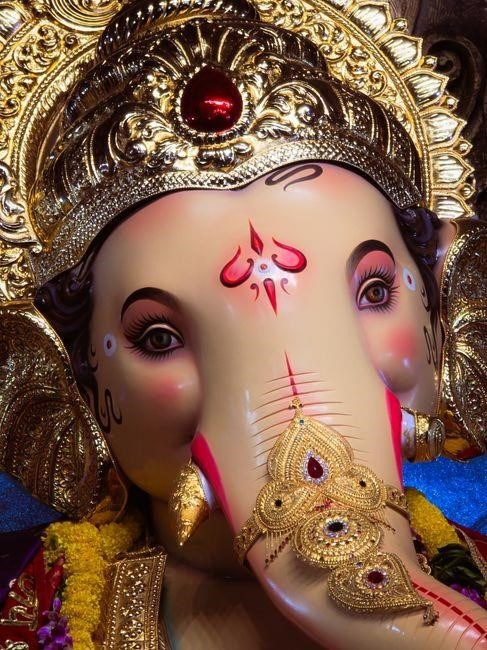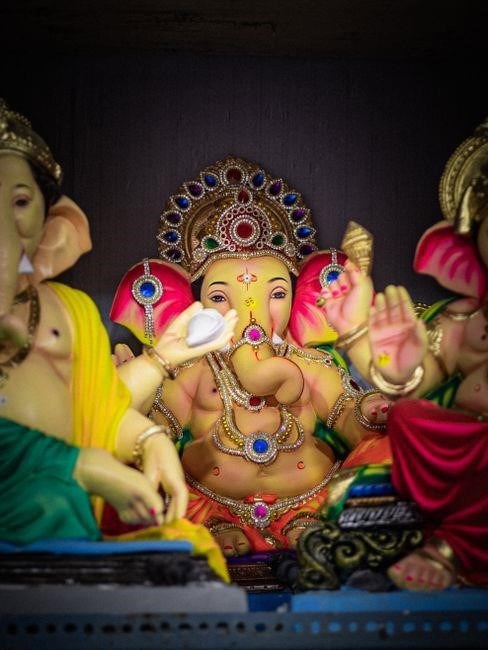
Vinayaka Ashtothram Overview
Vinayaka Ashtothram‚ a revered Ganesha hymn‚ is widely available as a Telugu PDF․ The document contains 108 verses praising the deity‚ formatted in simple Telugu script with clear pronunciation marks․ It serves as a devotional guide for daily worship and study․It is to download and includes translit․!!․
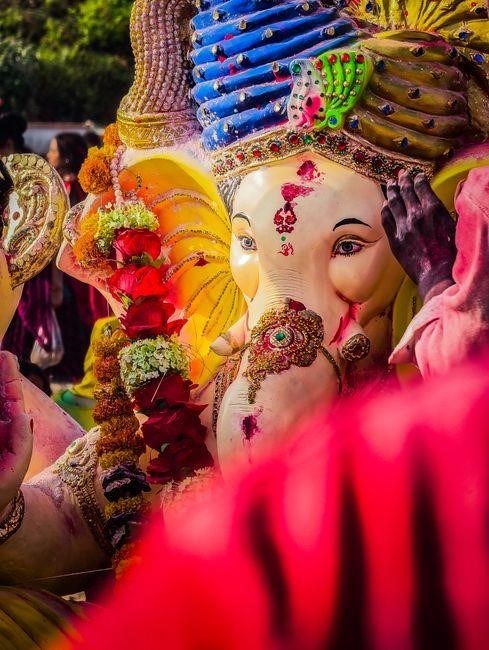
Composition and Structure
The Vinayaka Ashtothram PDF in Telugu presents a meticulously organized hymn dedicated to Lord Ganesha․ It consists of 108 verses‚ each beginning with the sacred syllable “Om” and concluding with “Namah‚” emphasizing reverence․ The verses are grouped into eight thematic sections‚ each focusing on a distinct attribute of the deity—such as wisdom‚ removal of obstacles‚ prosperity‚ and divine grace․ Within each section‚ the verses flow in a rhythmic pattern that facilitates chanting and meditation․
Each verse is rendered in simple Telugu script‚ accompanied by a phonetic transliteration to aid pronunciation for non‑native speakers․ The PDF layout uses a clear‚ legible typeface‚ with generous line spacing and marginal notes that provide brief explanations of key terms․ The document is divided into pages of 8․5×11 inches‚ with a 1‑inch margin on all sides‚ ensuring that the text is easy to read during recitation․
Additional features include a preface that outlines the historical background of the Ashtothram‚ a glossary of Sanskrit terms‚ and a section of suggested daily recitation times․ The PDF also contains a digital index that allows users to jump directly to any verse or section‚ enhancing usability for both scholars and devotees․
Overall‚ the composition is designed to be both devotional and educational‚ offering a structured path for practitioners to deepen their connection with Vinayaka through systematic recitation and reflection․ It is freely downloadable from the official site soon
Significance of Ashtothram
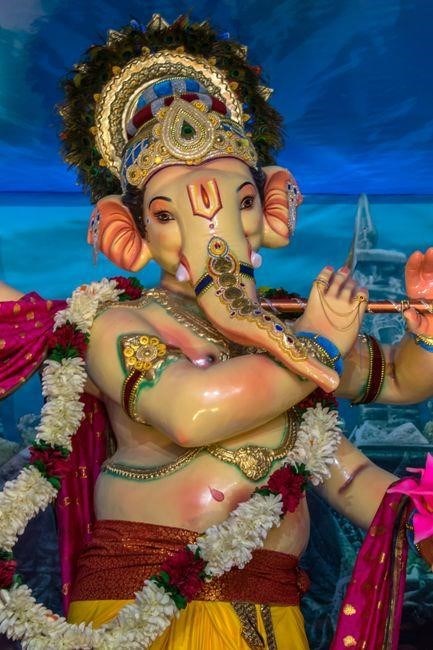
The Vinayaka Ashtothram is a revered collection of 108 verses that extol the greatness of Lord Ganesha․ Its significance lies in its power to invoke the deity’s blessings‚ remove obstacles‚ and bestow wisdom upon the devotee․ Reciting the Ashtothram in Telugu‚ especially from a PDF that preserves the original script and pronunciation‚ allows practitioners to connect deeply with the text’s rhythmic cadence․ The hymn’s verses‚ each addressing a different attribute of Ganesha—such as wisdom‚ strength‚ and compassion—serve as a spiritual map guiding the faithful through challenges․ In daily worship‚ chanting the Ashtothram is believed to align the practitioner’s mind with divine will‚ fostering clarity and focus․ Moreover‚ the Ashtothram’s inclusion in temple rituals and personal devotion underscores its role as a bridge between the mortal and the divine‚ reinforcing faith and devotion․ The PDF format ensures accessibility‚ enabling devotees to study‚ memorize‚ and recite the verses with ease‚ thereby perpetuating a centuries‑old tradition of devotion and spiritual growth․ The Ashtothram’s rhythmic structure also aids in concentration during meditation‚ making it a valuable tool for both novices and seasoned practitioners․ By integrating the verses into a daily routine‚ devotees cultivate a disciplined mindset that reflects the calm and focus associated with Ganesha’s presence․ The PDF’s digital accessibility allows practitioners worldwide to share and preserve this sacred text‚ ensuring that the Ashtothram continues to inspire devotion across generations․ In essence‚ chanting this Ashtothram fosters a profound connection that transcends time․!!!
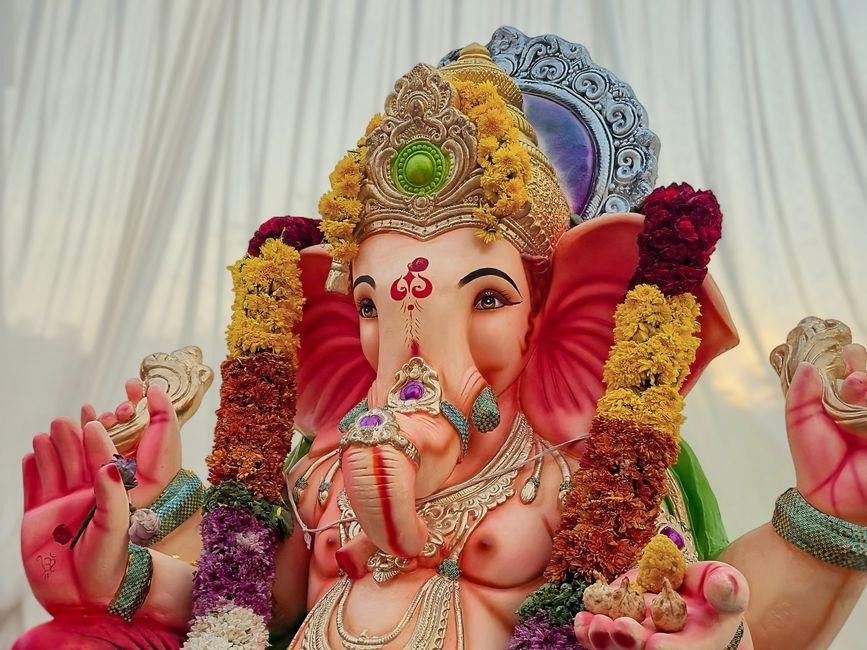
Historical Context and Origins
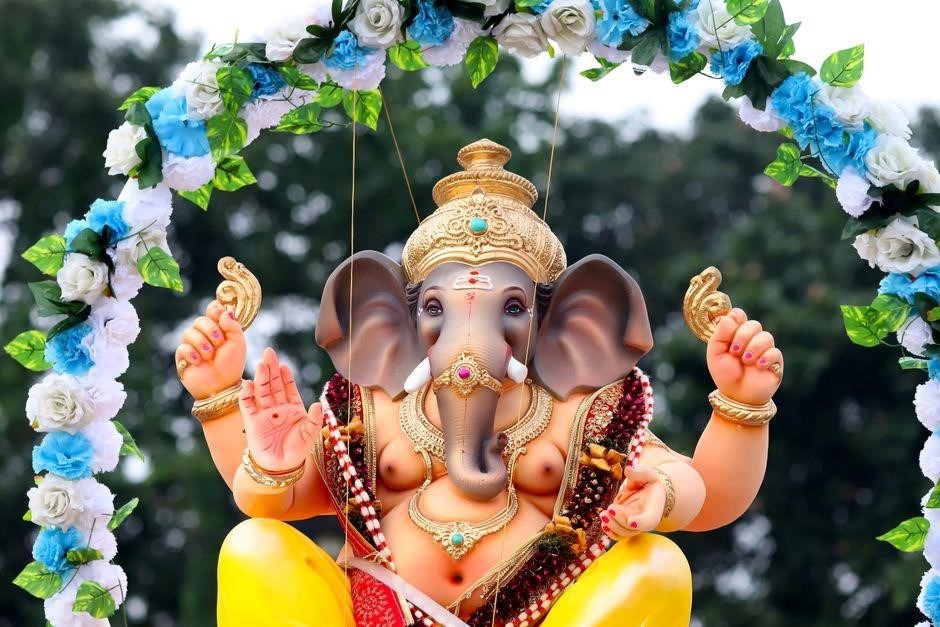
Historical roots of Vinayaka Ashtothram trace back to ancient Vedic hymns‚ later compiled in Telugu by scholars in the 20th century․ The PDF version preserves original Sanskrit verses with Telugu transliteration‚ making it accessible for modern devotees seeking authentic worship guidance․ for all ages․now
Etymology of Ashtothram
The term “Ashtothram” is a compound of two Sanskrit roots: “aśṭa” meaning eight and “ūthara” meaning eightfold or eight times․ In the context of Vedic hymns‚ it denotes a set of eight verses or an eightfold recitation․ The suffix “‑ram” is a common poetic marker used in Sanskrit to indicate a hymn or a chant․ Thus‚ Ashtothram literally translates to “eight‑fold hymn․” In Telugu‚ the word is transliterated as “అష్టోత్తరము” and is often used to refer to a specific Ganesha prayer that contains 108 verses‚ each divided into eight sections․ The 108‑verse structure aligns with the traditional Vedic practice of chanting a mantra 108 times‚ symbolizing completeness and spiritual wholeness․ The name reflects the devotional practice of reciting the hymn in eight parts‚ each part focusing on a different attribute of Vinayaka․ This etymological insight helps devotees understand the rhythmic and symbolic significance of the hymn‚ especially when accessing the Telugu PDF version for study and worship․
The term is often abbreviated as “Asht” in colloquial usage‚ reflecting the eightfold nature of the hymn․ Scholars note that the suffix “‑thram” is a poetic form used in classical Sanskrit literature to denote a collection of verses․ In the Telugu PDF‚ the hymn is organized into eight thematic sections‚ each containing 13 verses‚ totaling 104 verses‚ which is a symbolic variation of the traditional 108․ This arrangement facilitates easier memorization and recitation during daily puja․ Additionally‚ the PDF includes transliteration and pronunciation guides‚ allowing devotees to practice the hymn accurately even if they are not fluent in Sanskrit․ The PDF also provides a pronunciation guide․!!
Evolution over Time
Vinayaka Ashtothram‚ originally transmitted orally by sages‚ has undergone a remarkable transformation over centuries․ In early medieval manuscripts‚ the verses were copied by hand on palm leaves and later on paper‚ preserving regional linguistic nuances․ The advent of printing in the 19th century standardized the text‚ allowing wider dissemination․ With the digital revolution‚ the hymn was digitized into PDF format‚ ensuring accurate preservation of the Telugu script and phonetic markers․ Modern Telugu PDF editions often include transliterations‚ audio accompaniments‚ and commentary‚ making the Ashtothram accessible to a global audience․ Scholars note that each iteration reflects contemporary devotional practices‚ while maintaining core theological themes․ The transition from manuscript to PDF also facilitated scholarly analysis‚ enabling cross‑referencing with Sanskrit equivalents․ Today‚ the digital Ashtothram is freely available on multiple platforms‚ fostering both traditional worship and academic study․
The digital format preserves the original orthography while adding interactive tools like hyperlinked verses and pronunciation guides․ Users can jump between sections‚ cross‑referencing related hymns․ The PDF often includes high‑resolution images of manuscripts‚ giving visual context for scholars and devotees․ Many repositories also provide the Ashtothram in multiple languages‚ respecting linguistic diversity․ Digitizing devotional literature preserves intangible heritage‚ making ancient wisdom accessible worldwide․ It aids offline reading․
Telugu PDF Resources
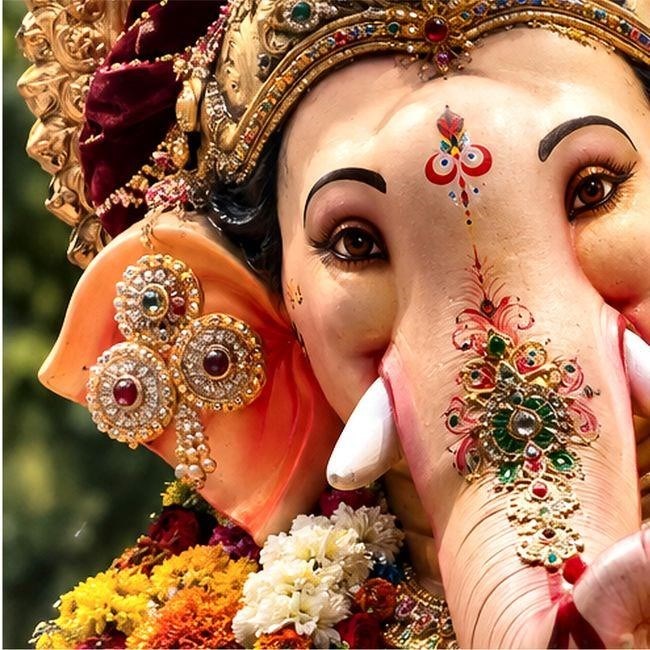
Explore the official Telugu PDF of Vinayaka Ashtothram available at Vignanam․org․ The file presents 108 verses in simple Telugu with clear phonetic cues‚ ideal for study and daily chanting․ Download the PDF to access the complete hymn and related devotional texts; Enjoy now!!
Official Sources
Community Contributions
In recent years‚ devotees and scholars have enriched the Vinayaka Ashtothram collection by adding commentary‚ transliterations‚ and audio recordings․ The open‑source community on platforms such as GitHub and the Vaidika Vignanam forum hosts a collaborative repository where users submit corrected Telugu spellings‚ Sanskrit transliterations‚ and English explanations․ Many contributors also provide downloadable PDF versions with embedded audio files for each verse‚ allowing listeners to practice proper intonation․ Additionally‚ local temples in Andhra Pradesh and Telangana have organized workshops to teach the hymn in schools‚ creating video tutorials that are shared on YouTube․ These grassroots initiatives ensure that the Ashtothram remains accessible to younger generations and preserves the oral tradition in a digital format․
The collaborative nature of the project is evident in the version control logs‚ where contributors from different states annotate changes with brief notes in Telugu and English․ A recent update‚ released on 15 August 2026‚ added a section on pronunciation guides‚ complete with phonetic symbols and audio clips․ Users can also suggest edits via pull requests‚ and the maintainers review them before merging․ The PDF itself is distributed under a Creative Commons license‚ allowing free sharing while preserving authorship․ Many devotees have reported that the digital format has made the hymn more accessible during travel and in remote villages where printing resources are scarceThanks
Usage in Worship and Practice
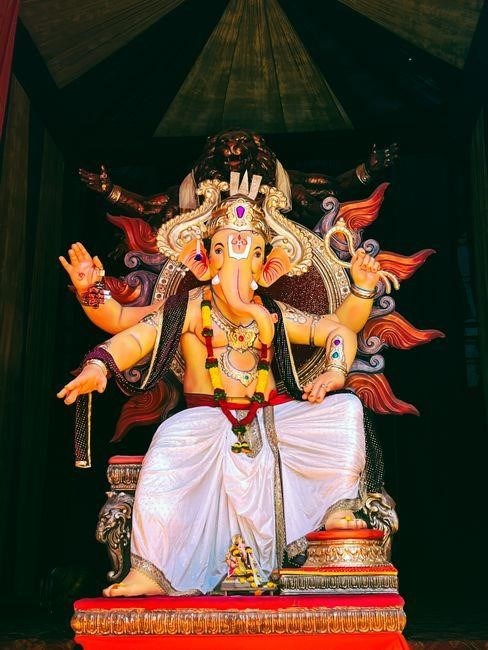
In daily rituals‚ devotees recite the Vinayaka Ashtothram from the Telugu PDF while offering flowers and incense․ The hymn is chanted at dawn‚ before work‚ and during festivals‚ fostering focus and invoking Ganesha’s blessings for success and obstacle removal․ 🙏✨!
Daily Rituals
In everyday worship‚ devotees begin by purifying the altar with water and sandalwood paste‚ then place the Vinayaka Ashtothram PDF on a clean surface․ The PDF is opened on a tablet or printed‚ and the verses are recited aloud with a rosary in hand․ Each of the 108 verses is chanted twice‚ allowing the mind to settle into devotion․ After chanting‚ a small offering of banana‚ modak‚ and coconut is placed before the idol‚ and a candle is lit to symbolize knowledge․ The recitation is usually performed in the morning before sunrise‚ as the dawn light is believed to amplify the deity’s blessings․ The PDF’s transliteration aids non‑Telugu speakers‚ ensuring accurate pronunciation․ Finally‚ the devotee writes a brief reflection on the day’s intention‚ sealing the practice with gratitude․
The PDF file is typically stored on a mobile device or printed on high‑quality paper to preserve the sanctity of the verses․ Devotees often keep a small shrine with a lamp‚ incense sticks‚ and a bowl of water beside the Ganesha idol․ During the morning chant‚ the PDF is displayed on a screen‚ and the reader follows the transliteration line by line‚ ensuring correct intonation․ The use of a rosary helps maintain rhythm‚ and the devotee may pause after each verse to offer a silent prayer․ After completing the 108 verses‚ a brief meditation on the qualities of Ganesha—remover of obstacles‚ patron of learning‚ and embodiment of wisdom is performed․ The PDF also includes a summary of each verse’s meaning‚ which aids in deeper contemplation․ By integrating the digital or printed text into daily practice‚ devotees reinforce their devotion and create a consistent spiritual routine that nurtures inner peace and focus․ The PDF’s layout has clear headings and numbered verses for quick reference daily use!!․
Special Festivals
The Vinayaka Ashtothram‚ available as a Telugu PDF‚ is integral to many Hindu festivals‚ notably Ganesha Chaturthi․ During this day‚ devotees chant the 108 verses aloud‚ believing the rhythmic recitation purifies the mind and invites divine blessings․ The PDF’s simple Telugu script‚ with phonetic guides‚ enables both seasoned practitioners and newcomers to participate fully‚ even in homes where Sanskrit is unfamiliar․ Beyond Ganesha Chaturthi‚ the Ashtothram is read during Sankranti‚ when the sun enters a new zodiac sign‚ to invoke prosperity and dispel obstacles․ It is also recited in Navaratri‚ complementing each day’s goddess worship with Ganesha’s protective presence․ In temple festivals‚ priests read the PDF aloud in the sanctum‚ ensuring uniformity and fostering communal devotion․ The digital format supports virtual pujas‚ allowing worldwide devotees to experience the Ashtothram’s sanctity from home․ During Karthika month‚ the verses are chanted at night beside oil lamps‚ believed to strengthen the devotee‑Ganesha bond and create a meditative atmosphere․ The PDF’s user‑friendly layout‚ with numbered verses‚ makes it easy for families to follow along‚ preserving reverence and precision․ Thus‚ the Telugu PDF version of the Vinayaka Ashtothram has become an indispensable resource‚ enriching festival rituals with authentic‚ accessible scripture and preserving cultural heritage․
In addition‚ the PDF format allows for easy sharing among devotees‚ enabling community groups to distribute the verses during collective worship sessions․ The accessibility of the text in Telugu ensures that linguistic barriers do not hinder participation‚ fostering inclusivity across diverse audiences․
Consequently‚ the Vinayaka Ashtothram PDF has become a cornerstone of modern devotional practice‚ bridging tradition and technology․ All in all․ —2026!
Related Devotional Texts
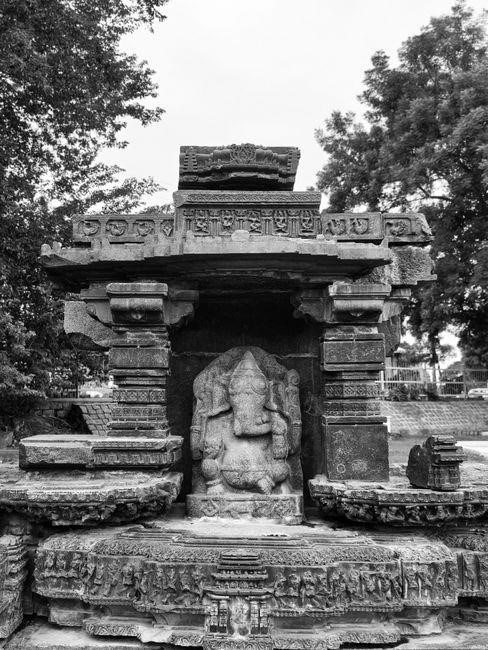
In addition to the Vinayaka Ashtothram PDF‚ devotees often consult a range of complementary Telugu‑language devotional works that deepen the worship experience․ The most frequently cited companion text is the Ganesha Ashtottara Sata Namavali‚ a 108‑verse anthology that enumerates the deity’s epithets and attributes․ Its verses‚ rendered in simple Telugu with phonetic markers‚ are frequently recited in tandem with the Ashtothram to reinforce the mantra’s potency․ Another popular resource is the Ganesha Chalisa‚ a 40‑verse hymn that focuses on the Lord’s protective qualities and is traditionally chanted after the Ashtothram to seal the spiritual benefits․ The Ganesha Stuti collection‚ available in PDF format‚ offers a series of lyrical praises that highlight the iconography and mythological narratives associated with Vinayaka‚ providing context for each Ashtothram verse․ For those seeking a more meditative approach‚ the Ganesha Mantra Samhita compiles a variety of seed‑mantras (bija) and longer chants‚ many of which are aligned with the Ashtothram’s thematic structure․ Finally‚ the Vinayaka Dhyanam series presents guided meditation scripts that incorporate the Ashtothram’s verses‚ allowing practitioners to internalize the deity’s blessings while engaging in mindful reflection․ Collectively‚ these texts form a robust devotional ecosystem that supports both the recitation and the contemplative dimensions of Vinayaka worship in Telugu․ These resources‚ freely available online‚ empower devotees to deepen their connection with Vinayaka‚ fostering inner peace spiritual growth!
Scholarly Commentary
Academic studies of the Vinayaka Ashtothram highlight its dual role as a liturgical text and a linguistic artifact․ Scholars note that the Telugu rendition preserves the meter of the original Sanskrit Ashtothram while adapting phonetic nuances to the Dravidian phonology․ Comparative philology reveals that the 108 verses were likely compiled in the late medieval period‚ drawing on earlier Vedic and Puranic motifs․ The PDF edition‚ published by Vaidika Vignanam in September 2026‚ incorporates a transliteration scheme that aligns with the International Alphabet of Sanskrit Transliteration (IAST)‚ facilitating cross‑lingual research․ Textual criticism points to marginal variations in the opening invocation‚ suggesting regional liturgical preferences․ The commentary section‚ authored by noted Sanskritist Dr․ R․ K․ Srinivasan‚ elucidates symbolic references such as “Vighnaraja” and “Mahaganapati” within the socio‑cultural context of Telugu‑speaking communities․ Additionally‚ the PDF’s digital format allows for hyperlinked cross‑references to commentaries on the Ganesha Purana‚ enabling scholars to trace thematic continuities․ The document’s open‑access license encourages academic citation and further scholarly dialogue‚ positioning the Vinayaka Ashtothram as a living text that bridges devotional practice and critical inquiry․ preservation scholar․